

Over 90 percent of urban homeowners worldwide breathe air inside their homes that is up to five times more polluted than the outdoors, a challenge that affects daily comfort and long-term health. For many, even the typical american apartment can unknowingly harbor invisible threats like allergens, smoke, and fine dust. This guide reveals what actually makes air purifiers work, helping you cut through confusion to choose the right solution that truly supports your family’s well-being.
Table of Contents
- What Is An Air Purifier And Why It Matters
- Comparing Types Of Air Purifiers For Homes
- How Air Purifiers Remove Indoor Pollutants
- Health Benefits For Urban Homeowners
- Costs, Maintenance, And Common Pitfalls
Key Takeaways
| Point | Details |
|---|---|
| Importance of Air Purifiers | Air purifiers significantly enhance indoor air quality by removing pollutants, benefiting respiratory health, especially in urban areas. |
| Types and Selection | Homeowners should consider the room size and specific air quality challenges when choosing between portable units and HVAC integrated systems. |
| Filtration Technologies | Effective air purifiers use HEPA filters along with activated carbon and UV light to capture various airborne contaminants. |
| Costs and Maintenance | Ongoing costs include filter replacements and energy consumption; regular maintenance is essential for optimal performance. |
What Is an Air Purifier and Why It Matters
Air purifiers are sophisticated devices engineered to dramatically improve indoor air quality by systematically removing harmful contaminants and pollutants from the air we breathe. These remarkable machines act as silent guardians, filtering out microscopic particles that can potentially compromise our respiratory health. Indoor air quality research demonstrates that interior environments can contain up to five times more pollutants than outdoor spaces.
At their core, air purifiers operate through advanced filtration systems designed to capture and neutralize a wide range of airborne hazards. The most effective models utilize High-Efficiency Particulate Air (HEPA) filters, which can trap particles as minuscule as 0.3 microns with an extraordinary 99.97% efficiency. These filters effectively remove common indoor pollutants including dust, pollen, pet dander, mold spores, and smoke particles. Air purification technologies have become increasingly critical, particularly in urban environments where air pollution and allergen exposure pose significant health risks.
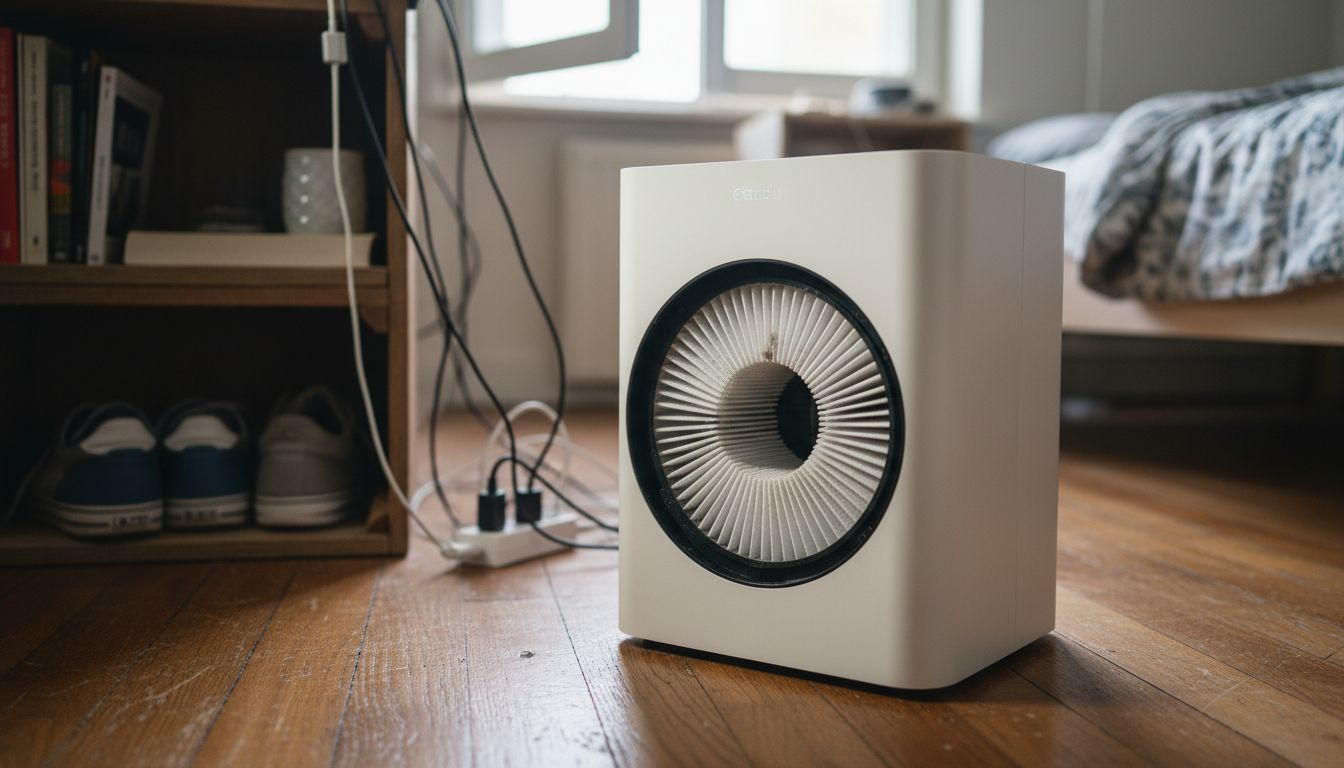
The importance of air purifiers extends far beyond simple dust removal. They provide crucial support for individuals with respiratory conditions like asthma or allergies, creating safer breathing environments by reducing exposure to triggers. During global health events like the COVID-19 pandemic, these devices gained additional recognition for their potential to mitigate virus transmission in enclosed spaces. Modern air purifiers represent a powerful intersection of health technology and environmental control, offering individuals a proactive approach to managing indoor air quality.
Pro tip: Position your air purifier centrally in the room and keep windows closed to maximize its air filtration effectiveness.
Comparing Types of Air Purifiers for Homes
Home air purifiers come in diverse configurations, each designed to address specific indoor air quality challenges. Air purification technologies primarily fall into two main categories: portable units and whole-home HVAC integrated systems. Portable air purifiers offer targeted filtration for individual rooms, making them ideal for addressing localized air quality concerns in bedrooms, home offices, or living spaces.
The most effective air purifiers utilize multiple filtration technologies to comprehensively clean indoor air. True HEPA filters represent the gold standard, capable of capturing 99.97% of particles as small as 0.3 microns. Home air purifier filters typically incorporate several key technologies:
- HEPA Filters: Trap microscopic particles
- Activated Carbon Filters: Neutralize odors and gases
- Pre-Filters: Capture larger particles to extend overall filter life
- UV Light Filters: Destroy potential microorganisms
When selecting an air purifier, homeowners must consider room size, specific air quality challenges, and filtration needs. Whole-home HVAC systems offer comprehensive air treatment but only function when the system’s fan is running, while portable units provide immediate, targeted purification. The choice depends on individual home characteristics, specific health concerns, and budget constraints.
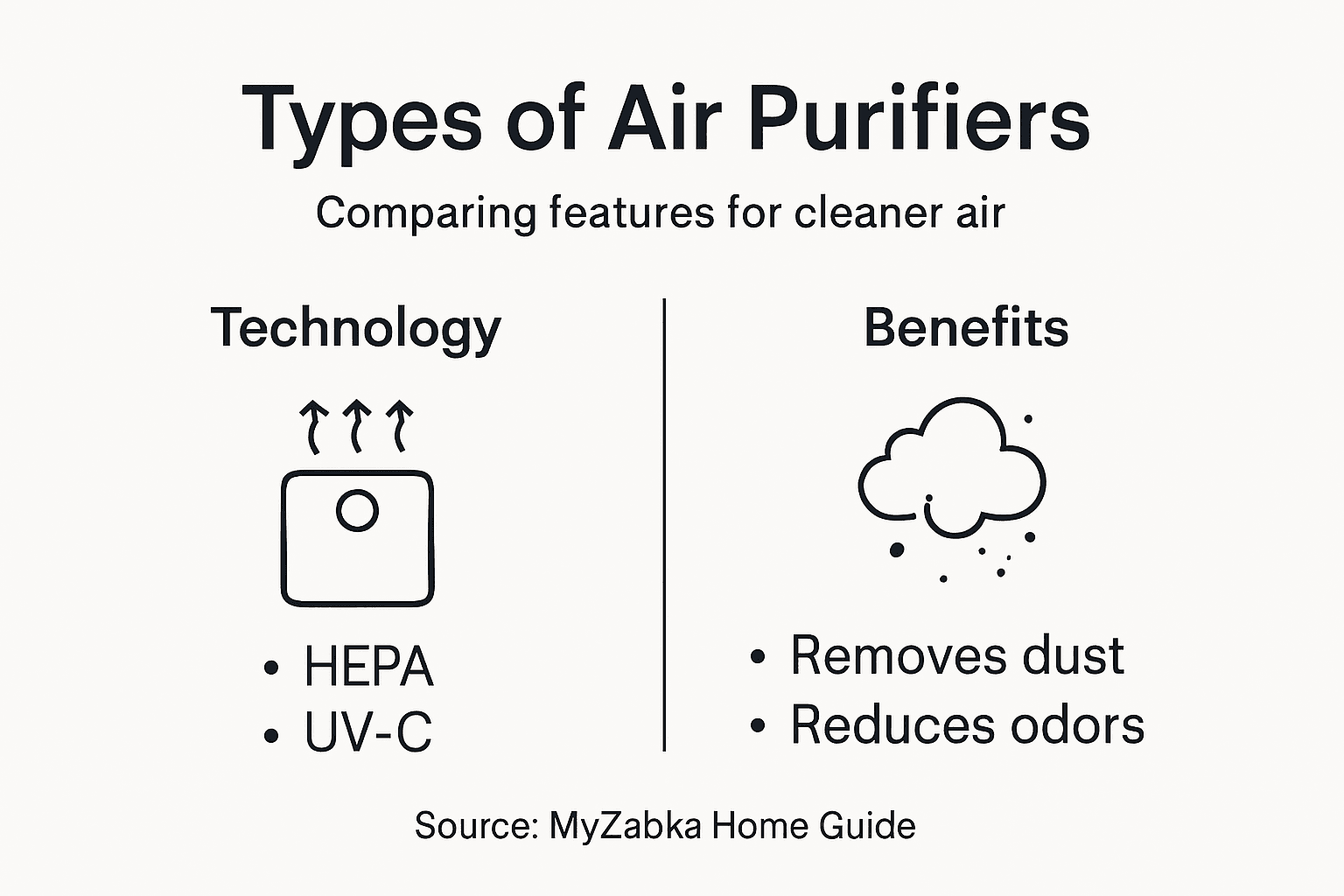
Here’s a quick overview of common air purifier types and their suitability for home environments:
| Air Purifier Type | Coverage Area | Ideal Use Case | Filtration Complexity |
|---|---|---|---|
| Portable Unit | Single room | Bedrooms, offices, living rooms | Multi-stage |
| HVAC Integrated System | Entire home | Whole-house air purification | Advanced |
| Desk/Personal Model | Small area | Workspaces, dorm rooms, travel | Basic |
| Tower/Console Model | Large open space | Living areas, entertainment rooms | Multi-stage |
Pro tip: Measure your room dimensions precisely before purchasing an air purifier to ensure optimal coverage and maximum filtration efficiency.
How Air Purifiers Remove Indoor Pollutants
Indoor air pollution removal technologies operate through a sophisticated multi-stage filtration process designed to systematically eliminate harmful airborne contaminants. Air purifiers function as comprehensive environmental guardians, capturing microscopic particles that can compromise respiratory health and overall well-being. The primary mechanism involves drawing indoor air through multiple filtering layers that progressively trap increasingly smaller pollutants.
The filtration process typically involves several critical stages:
- Pre-Filtering: Captures larger particles like dust and hair
- HEPA Filtration: Traps microscopic particles as small as 0.3 microns
- Activated Carbon Layer: Absorbs gases, odors, and volatile organic compounds
- UV Light Sterilization: Neutralizes potential bacterial and viral particles
Scientific studies demonstrate that advanced air purification systems can reduce microbiological contaminants by approximately 18-20%. This significant reduction translates to meaningful improvements in indoor air quality, particularly for individuals with respiratory sensitivities or compromised immune systems. The effectiveness depends on factors such as room size, air exchange rate, and specific filtration technologies employed.
Pro tip: Position your air purifier centrally in the room and maintain a consistent maintenance schedule to ensure maximum pollutant removal efficiency.
Health Benefits for Urban Homeowners
Urban air quality improvements through advanced air purification technologies offer critical health advantages for city dwellers constantly exposed to environmental pollutants. Urban homeowners face unique respiratory challenges due to increased pollution from traffic, industrial activities, and dense living environments. Air purifiers serve as a critical defense mechanism, filtering out microscopic contaminants that can compromise long-term health and well-being.
The health benefits of air purification are especially significant for vulnerable populations in urban settings:
- Respiratory Protection: Reduces exposure to particulate matter
- Allergy Management: Minimizes airborne allergen concentrations
- Cardiovascular Support: Helps maintain healthier blood pressure levels
- Immune System Defense: Filters potential viral and bacterial particles
Medical research indicates that consistent use of high-quality air purifiers can significantly mitigate health risks associated with indoor air pollution. Urban homeowners with children, elderly family members, or individuals with pre-existing respiratory conditions stand to gain the most from implementing comprehensive air purification strategies. The cumulative effect of reduced airborne toxins can lead to improved overall health outcomes and enhanced quality of life.
Pro tip: Select an air purifier with medical-grade HEPA filtration and replace filters according to manufacturer recommendations to maximize health protection.
Costs, Maintenance, and Common Pitfalls
Purchasing an air purifier involves understanding the total cost of ownership beyond the initial purchase price. Air purifier maintenance requirements include ongoing expenses such as replacement filters, electricity consumption, and potential repair costs. Initial investment ranges from $100 to $1,000 depending on room size, filtration technology, and brand quality, with most residential units averaging between $200 and $500.
Key cost and maintenance considerations include:
To help you plan your air purifier purchase, here’s a summary of cost factors and maintenance considerations:
| Cost Factor | Typical Range | Impact on Ownership |
|---|---|---|
| Initial Price | $100–$1,000 | Higher models offer more features |
| Filter Costs | $50–$200/year | Needed for ongoing performance |
| Energy Usage | 5–100 watts | Affects monthly utility bills |
| Maintenance | Every 6–12 months | Prevents reduction in efficiency |
| Repairs | Varies by brand | Some parts may require replacement |
- Filter Replacement Costs: Typically $50-$200 annually
- Energy Consumption: Modern units range from 5-100 watts
- Recommended Replacement Frequency: Every 6-12 months
- Performance Monitoring: Regular filter efficiency checks
Common pitfalls can significantly undermine an air purifier’s effectiveness. Homeowners frequently make mistakes such as:
- Incorrect unit sizing for room dimensions
- Placing purifiers in suboptimal locations
- Neglecting regular filter maintenance
- Expecting complete elimination of all indoor pollutants
- Ignoring manufacturer-specific usage guidelines
Pro tip: Calculate your total annual operating costs before purchasing, including filter replacements and electricity consumption, to avoid unexpected expenses.
Take Control of Your Indoor Air Quality Today
Understanding the importance of HEPA filtration, activated carbon layers, and proper air purifier placement can transform your home into a healthier sanctuary. If you are concerned about airborne allergens, dust, or urban pollution impacting your family’s well-being discovering reliable solutions is essential. You deserve cleaner air that supports your respiratory health and overall comfort.
Browse our selection of trusted home and kitchen products at MyZabka where quality meets effectiveness. Don’t wait for air quality to worsen. Act now to invest in your health with proven air purification technology. Explore options that fit your space and lifestyle by visiting MyZabka today and start breathing easier tomorrow.
Learn more about choosing the right air purifier and maintaining it for lasting performance at MyZabka. Your path to fresher indoor air starts here.
Frequently Asked Questions
What is an air purifier and how does it work?
An air purifier is a device designed to improve indoor air quality by removing contaminants and pollutants. It works by pulling in air through a series of filters that capture harmful particles, allergens, and odors.
What types of air purifiers are available for home use?
Air purifiers come in various types, including portable units for single rooms, whole-home HVAC integrated systems for entire spaces, desk or personal models for small areas, and larger tower or console models for open spaces. Each type is suited to different room sizes and specific air quality challenges.
How often do I need to replace the filters in my air purifier?
Filter replacement needs vary by model and usage but are generally recommended every 6 to 12 months. Regular maintenance ensures that the air purifier operates at peak efficiency and maintains optimal air quality.
What health benefits can I expect from using an air purifier?
Using an air purifier can provide significant health benefits, particularly for individuals with respiratory conditions, allergies, or living in urban environments. It helps reduce exposure to airborne pollutants, allergens, and viruses, potentially improving overall respiratory health and quality of life.