

Over 40% of American households now own an air fryer, making this appliance a staple in modern kitchens. As buzz grows around healthier cooking, many people are reevaluating what these devices can really do. With all the claims about crispy foods and fewer calories, it is easy to get confused by misconceptions. This guide clears up common myths and explains how air fryers actually work, helping you decide if this popular tool fits your cooking needs.
Table of Contents
- Air Fryer Basics And Common Misconceptions
- Types Of Air Fryers And Their Key Differences
- How Air Fryers Work: Technology Explained
- Notable Features And Everyday Uses
- Health, Cost, And Safety Considerations
- Air Fryers Vs. Ovens And Deep Fryers
Key Takeaways
| Point | Details |
|---|---|
| Air Fryer Technology | Air fryers utilize a combination of convection and radiation cooking, offering a healthier alternative to traditional frying methods by using 70-85% less oil. |
| Types of Air Fryers | There are three main types of air fryers: basket-style, oven-style, and countertop models, each serving different cooking needs and capacities. |
| Cooking Versatility | Air fryers excel in preparing various foods, including frozen items and vegetables, while also offering features like preset cooking modes for convenience. |
| Health and Safety | While air fryers reduce oil consumption, it is essential to maintain portion control and ensure proper safety measures during use to maximize health benefits. |
Air Fryer Basics and Common Misconceptions
Air fryers have transformed home cooking with their innovative approach to preparing delicious meals. Essentially compact convection ovens, these appliances use a remarkable combination of radiation and convection cooking techniques to create crispy, flavorful dishes with minimal oil.
At the core of air fryer technology is a powerful heating element and high-speed fan system. When you place food inside, the heating element generates intense heat while the fan circulates that hot air rapidly around the ingredients. This unique cooking method allows food to become golden and crisp without submerging it in large quantities of oil. The circulating technology produces crispy foods with significantly fewer calories from fat compared to traditional deep frying methods.
Some common misconceptions about air fryers need clarification. Many people believe air fryers can completely replace traditional ovens or deep fryers, which isn’t entirely accurate. While versatile, air fryers work best for specific types of foods like:
- Frozen appetizers
- Vegetables
- Smaller meat portions
- Crispy snacks
Another prevalent myth is that air fryers always produce identical results to deep frying. In reality, while air fryers create remarkably similar textures, the taste and final appearance can differ slightly from traditional frying. Understanding these nuances helps home cooks set realistic expectations and use their air fryers more effectively.
When considering an air fryer, look beyond marketing hype and understand its genuine capabilities. These compact kitchen appliances offer a healthier cooking method that can reduce oil consumption, decrease cooking times, and provide convenient meal preparation. Just remember that like any cooking tool, mastering an air fryer requires practice, experimentation, and an understanding of its unique technological approach.
Types of Air Fryers and Their Key Differences
Air fryers have evolved into diverse kitchen appliances with varying features and capabilities. Ranging from compact models suitable for one or two people to larger multifunctional units serving four or more, these devices offer incredible versatility for home cooks.
Typically, air fryers can be categorized into three primary types: basket-style, oven-style, and countertop air fryer ovens. Basket-style air fryers are the most traditional design, featuring a pull-out drawer where food is placed and cooked by circulating hot air. These models are typically smaller, more affordable, and work excellently for quick meals and snacks. Oven-style air fryers resemble small convection ovens, with multiple racks and larger cooking capacities that allow for preparing meals for entire families.
Air fryers come with diverse features like automatic stirring functions and specific food presets that enhance cooking convenience. When selecting an air fryer, consider these key factors:
- Cooking capacity
- Price range ($40-$400)
- Available cooking modes
- Additional accessories
- Size of your kitchen space
Countertop air fryer ovens represent the most advanced category, offering multiple cooking functions beyond air frying. These comprehensive appliances can typically:
- Bake
- Roast
- Dehydrate
- Toast
- Reheat meals
Ultimately, the right air fryer depends on your specific cooking needs, budget, and kitchen requirements. Carefully evaluate your culinary habits and space constraints to select the most suitable model.
How Air Fryers Work: Technology Explained
Air fryers represent a revolutionary approach to cooking, functioning essentially as compact convection ovens designed to transform home cooking experiences. These innovative appliances leverage a sophisticated combination of heating and air circulation technologies to create crispy, delicious meals with minimal oil usage.
At the core of air fryer technology are two primary components: a powerful heating element and a high-speed fan system. The heating element emits intense heat into the cooking chamber, while the fan circulates this heated air rapidly around the food, creating an environment that mimics deep frying without submerging ingredients in oil. This unique cooking mechanism ensures several key benefits:
- Rapid and even heat distribution
- Consistent cooking temperatures
- Minimal oil requirement
- Faster cooking times compared to traditional ovens
The scientific principle behind air fryers involves convection and radiation cooking. When you place food in the air fryer basket, hot air moves around the ingredients at high velocities, creating a Maillard reaction that produces the crispy exterior similar to deep-frying. The basket’s design allows hot air to circulate completely around the food, ensuring uniform cooking and achieving that desirable golden-brown texture.

Understanding the technical nuances helps home cooks appreciate why air fryers have become such popular kitchen appliances. The combination of precise temperature control, rapid air circulation, and minimal oil usage creates a cooking method that is not just efficient, but also significantly healthier than traditional frying techniques. Whether you’re preparing frozen appetizers, vegetables, or small meat portions, an air fryer offers a convenient and technologically advanced approach to meal preparation.
Notable Features and Everyday Uses
Air fryers are incredibly versatile kitchen appliances that can transform everyday cooking, offering home cooks a convenient and healthy alternative to traditional cooking methods. These compact devices have rapidly become essential tools for preparing a wide variety of meals with minimal effort and maximum flavor.
Air fryers can perform multiple cooking functions including frying, grilling, and baking, using 70-85% less oil than traditional methods. The range of foods you can prepare is impressively diverse, making these appliances true culinary multitaskers. Popular dishes that excel in air fryers include:
- Crispy French fries
- Breaded appetizers
- Vegetables with perfect roasted texture
- Chicken wings
- Fish fillets
- Quick desserts
- Frozen convenience foods
Beyond cooking versatility, air fryers offer several notable features that make them attractive to home cooks. Their energy efficiency means lower electricity consumption compared to traditional ovens, and their compact design allows for easy storage in kitchens of all sizes. Most models come with digital controls, preset cooking modes, and dishwasher-safe components that simplify the cooking and cleaning process.
The everyday uses of air fryers extend far beyond simple meal preparation. They’re perfect for quick weeknight dinners, preparing healthier versions of traditionally fried foods, and even reheating leftovers with a crisp texture that microwaves can’t achieve. Whether you’re a busy professional, a health-conscious cook, or someone who loves convenient cooking technologies, an air fryer can be a game-changing addition to your kitchen arsenal.
Health, Cost, and Safety Considerations
Air fryers offer significant health benefits by dramatically reducing oil consumption in cooking, providing home cooks with a smarter approach to preparing delicious meals. By utilizing advanced cooking technologies, these appliances create crispy, flavorful dishes with substantially fewer calories from fat compared to traditional frying methods.
While air fryers use 70-85% less oil than conventional frying techniques, nutrition experts recommend maintaining a balanced perspective on their health advantages. Not all foods prepared in an air fryer automatically become healthy, and consumers should consider these important nutritional insights:
- Reduced oil doesn’t guarantee low-calorie meals
- Processed foods remain processed, even when air-fried
- Portion control is still essential
- Nutrient content depends on the original ingredients
From a financial standpoint, air fryers represent a smart investment for budget-conscious home cooks. Their energy-efficient design translates to lower electricity consumption, and their versatility means fewer single-purpose kitchen appliances. Initial purchase prices range from $50 to $250, depending on features and capacity, with most models offering excellent long-term value through reduced cooking oil expenses and minimal energy usage.
Safety considerations are paramount when using any kitchen appliance. Air fryers come equipped with multiple safety features, including automatic shut-off mechanisms, cool-touch exterior surfaces, and non-slip bases. Always follow manufacturer guidelines, avoid overcrowding the cooking basket, and use heat-resistant utensils. Proper maintenance, such as regular cleaning and checking electrical connections, ensures safe and efficient operation for years of reliable cooking performance.
Air Fryers vs. Ovens and Deep Fryers
Air fryers represent a revolutionary cooking technology that bridges the gap between traditional ovens and deep fryers, offering home cooks a unique and versatile alternative. Unlike conventional cooking methods, these compact appliances deliver crispy, delicious results with significantly less oil and more efficient cooking processes.
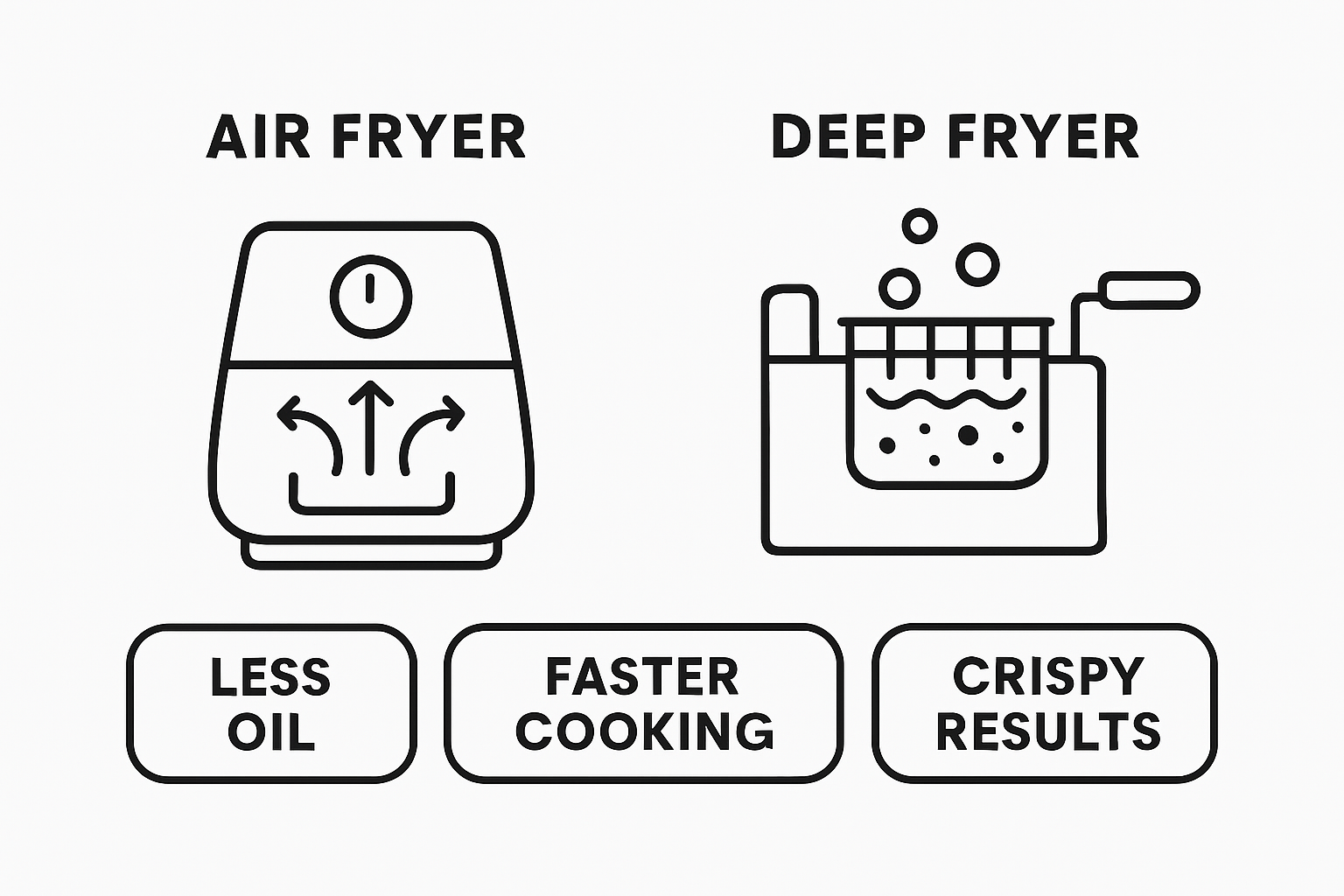
As essentially compact convection ovens, air fryers utilize a rapid hot air circulation system that differs dramatically from standard kitchen appliances. When comparing these innovative devices to traditional cooking methods, several key differences emerge:
Comparison Highlights:
- Ovens: Slower cooking, less consistent heat distribution
- Deep Fryers: High oil usage, more calories
- Air Fryers: Quick cooking, minimal oil, even heat circulation
Traditional ovens typically require longer preheating times and distribute heat less uniformly, resulting in uneven cooking. Deep fryers, while creating deliciously crispy foods, submerge ingredients in large quantities of oil, significantly increasing calorie and fat content. Air fryers, by contrast, create similar crispy textures using minimal oil and rapid air circulation, making them a healthier and more efficient cooking solution.
Cost and energy efficiency further distinguish air fryers from conventional appliances. They consume less electricity, heat up faster, and require minimal cleanup compared to both ovens and deep fryers. The compact design means less kitchen space used and lower energy consumption, translating to potential long-term savings. For health-conscious home cooks seeking a versatile, efficient cooking method, air fryers offer a compelling alternative that combines the best qualities of ovens and deep fryers while minimizing their respective drawbacks.
Discover Healthier and Faster Cooking Solutions with Air Fryers
Air fryer cooking offers a unique way to prepare crispy and delicious meals using less oil and less time while preserving flavor and texture. If you are looking to embrace this innovative technology that reduces calories from fat but still delivers satisfying results, you need the right tools to help you get started. From compact designs ideal for smaller kitchens to multifunctional options that can bake, roast, and reheat, finding the perfect air fryer can transform your everyday cooking experience and support your healthy lifestyle goals.

Explore our wide selection of Home and Kitchen products designed to complement your new air fryer journey. Visit myzabka.com today to find appliances that offer convenience, energy efficiency, and safety features to make cooking enjoyable and stress-free. Don’t wait to enhance your meals with the science-backed benefits of air fryer technology and start creating nutritious, crispy dishes with ease.
Frequently Asked Questions
What is air frying and how does it work?
Air frying is a cooking method that uses a powerful heating element and a high-speed fan to circulate hot air around food. This technology mimics deep frying but uses significantly less oil, resulting in crispy, flavorful dishes.
What types of food can I cook in an air fryer?
Air fryers are versatile appliances that work well for cooking frozen appetizers, vegetables, smaller meat portions, crispy snacks, and even desserts. They allow you to prepare a wide variety of meals with minimal effort.
How does air frying compare to traditional deep frying?
Air frying utilizes rapid hot air circulation to achieve a crispy texture without submerging food in oil, making it a healthier alternative. It uses 70-85% less oil than traditional deep frying, resulting in fewer calories from fat.
Can I replace my traditional oven with an air fryer?
While air fryers can perform many cooking functions, they do not completely replace traditional ovens or deep fryers. They are particularly effective for specific types of foods but may not accommodate larger meals or baking tasks as efficiently as a conventional oven.