

Over 60 percent of American homeowners have faced unexpected repair bills simply because they overlooked basic upkeep. Living in cities across Asia, busy routines make it easy to miss crucial maintenance checks that keep your home safe and running smoothly all year. Equip yourself with a practical home maintenance checklist designed for urban life so you can prevent costly surprises and protect your biggest investment with confidence.
Table of Contents
- Step 1: Gather Essential Home Maintenance Tools And Supplies
- Step 2: Inspect Key Systems And Structural Elements
- Step 3: Perform Cleaning And Preventive Maintenance Tasks
- Step 4: Test Safety Devices And Emergency Equipment
- Step 5: Schedule Seasonal Repairs And Future Checks
Quick Summary
| Key Point | Explanation |
|---|---|
| 1. Build a home maintenance toolkit | Gather essential tools like hammers, wrenches, and screwdrivers for effective repairs. Stock maintenance supplies like duct tape and wood glue. |
| 2. Conduct regular inspections | Systematically check your home for foundation cracks, roof damage, and plumbing issues to catch problems early and save repair costs. |
| 3. Perform routine cleaning tasks | Change HVAC filters quarterly, clean kitchen appliances, and address moisture issues to enhance home longevity and performance. |
| 4. Test safety devices monthly | Regularly check smoke detectors and fire extinguishers to ensure they are functional. Maintain an emergency kit for family safety. |
| 5. Create a seasonal maintenance plan | Organize tasks by season, including inspections and necessary repairs, to prevent future issues and keep your home in good condition. |
Step 1: Gather essential home maintenance tools and supplies
Building a comprehensive home maintenance toolkit is your first line of defense against unexpected repairs and potential property damage. According to Kansas State University Extension’s essential living skills guide, having the right tools and supplies ready can save you time, money, and stress.
Your basic toolkit should include versatile hand tools that cover multiple maintenance scenarios. Start with a sturdy hammer, adjustable wrench, needle nose pliers, utility knife, tape measure, and screwdriver set with multiple tip sizes. Add a cordless drill for more complex projects, plus a ladder tall enough to reach high spaces safely. Invest in quality tools that will last multiple years rather than cheap alternatives that might break during critical moments.
Beyond tools, stock up on essential maintenance supplies like duct tape, electrical tape, wood glue, WD40 lubricant, assorted nails and screws, sandpaper, and a few paint brushes. Include safety equipment such as work gloves, protective eyewear, and a basic first aid kit. Keep everything organized in a dedicated toolbox or storage container with compartments for easy access.
Pro tip: Check and restock your maintenance toolkit every six months to ensure all items are in good condition and replace any worn or missing tools promptly.
Step 2: Inspect key systems and structural elements
Preventing potential home damage starts with a thorough and systematic inspection of your property’s critical structural components. Structural engineers recommend a comprehensive visual assessment of key building systems to identify potential risks before they become expensive repairs.
Begin your inspection by carefully examining the foundation for any signs of cracks, water damage, or uneven settling. Check exterior walls for structural integrity including looking for hairline cracks, water stains, or bulging areas that might indicate underlying issues. Pay special attention to the roof structure examining shingles, flashing, and potential areas of water infiltration. Interior walls should be inspected for signs of movement such as diagonal cracks near doorways or windows which could signal foundation problems.
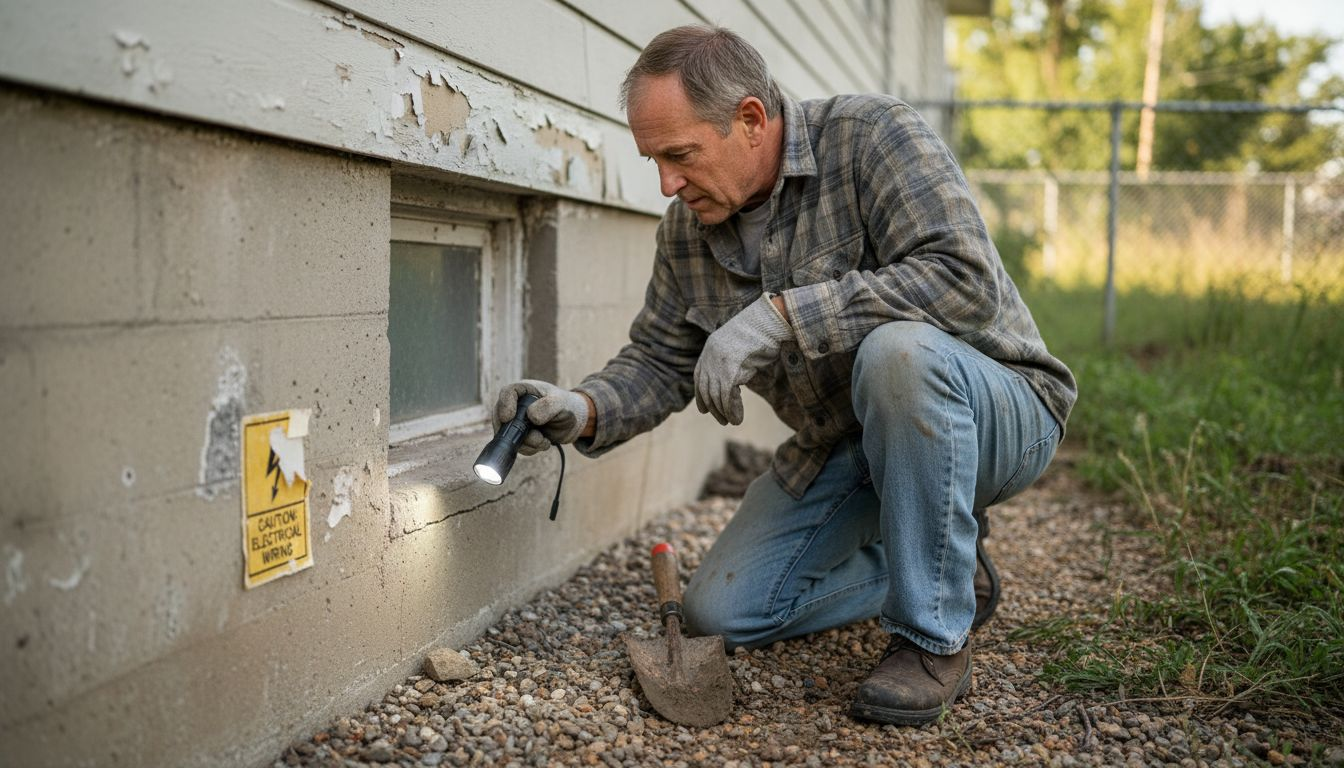
Focus on critical systems like plumbing and electrical by looking for water damage, rust on pipes, exposed wiring, or signs of potential electrical issues. Check your home’s ventilation systems including air conditioning and heating units for proper functioning. Look for signs of moisture buildup in attics and crawl spaces which could indicate potential mold or structural weakness. Remember that early detection of potential problems can save thousands in future repair costs.
This table outlines major home areas to inspect and typical warning signs:
| Home Area | What to Inspect For | Warning Signs |
|---|---|---|
| Foundation | Cracks, water issues | Uneven settling, moisture marks |
| Roof | Shingles, flashing, leaks | Missing shingles, stains |
| Plumbing | Pipe condition, leaks | Rust, water stains |
| Electrical | Wiring, outlets, circuit box | Exposed wires, flickering lights |
| Ventilation | Airflow, moisture control | Musty odors, mold patches |
Pro tip: Create a detailed photographic record of your inspection findings to track changes and provide documentation for potential future repairs or insurance claims.
Step 3: Perform cleaning and preventive maintenance tasks
Professional home inspectors recommend a systematic approach to home maintenance that protects your property and prevents costly future repairs. Regular cleaning and preventive care are your primary strategies for maintaining your home’s overall health and longevity.
Start with your HVAC system by changing air filters every three months and scheduling professional inspections annually. Clean air vents and return registers to improve air quality and system efficiency. Move through your home methodically cleaning appliances inside and out. For refrigerators, vacuum condenser coils and check door seals. Clean your dishwasher filter and run an empty cycle with vinegar monthly. In the kitchen and bathrooms, address potential moisture issues by checking under sinks for leaks and ensuring proper ventilation to prevent mold growth.
Focus on structural maintenance by cleaning gutters twice yearly to prevent water damage, sealing any exterior cracks or gaps that could allow pest entry, and checking weatherstripping around doors and windows. Inspect wooden surfaces for signs of rot or water damage and apply protective sealants as needed. Pay special attention to areas with high moisture exposure like basements and crawl spaces. Regular lubrication of moving parts such as garage door mechanisms and window tracks will prevent unnecessary wear and potential mechanical failures.
Pro tip: Create a digital maintenance calendar with automatic reminders for recurring tasks to ensure you never miss a critical home maintenance checkpoint.
Step 4: Test safety devices and emergency equipment
Emergency preparedness experts recommend creating a systematic schedule for testing life safety systems to ensure your home remains protected during critical moments. Regularly verifying the functionality of your safety equipment can mean the difference between a manageable situation and a potential disaster.
Start by checking all smoke detectors and carbon monoxide alarms monthly. Replace batteries twice yearly and test each device by pressing the test button to confirm the alarm sounds clearly. Inspect fire extinguishers for proper pressure levels using the gauge and verify they are easily accessible in kitchen, garage, and bedroom areas. Review the expiration dates and replace any extinguishers that have passed their recommended service life. Conduct a comprehensive walk through of your home to ensure emergency exit paths remain clear and all windows and doors can be opened quickly in case of an urgent evacuation.
Maintain a dedicated emergency kit with first aid supplies, flashlights, extra batteries, bottled water, and nonperishable food. Check this kit every six months to replace expired items and update contents based on your family’s current needs. Test backup power sources like generators or battery systems quarterly to confirm they will function during power outages. Keep a written log of all safety equipment tests and maintenance activities to track your home’s emergency preparedness over time.
Pro tip: Create a laminated emergency contact and evacuation plan chart to post in a visible location where all family members can quickly reference critical information during stressful situations.
Step 5: Schedule seasonal repairs and future checks
Experts recommend creating a comprehensive seasonal home maintenance strategy that anticipates potential issues before they become expensive problems. Proactive planning allows you to systematically address your home’s changing maintenance needs throughout the year.
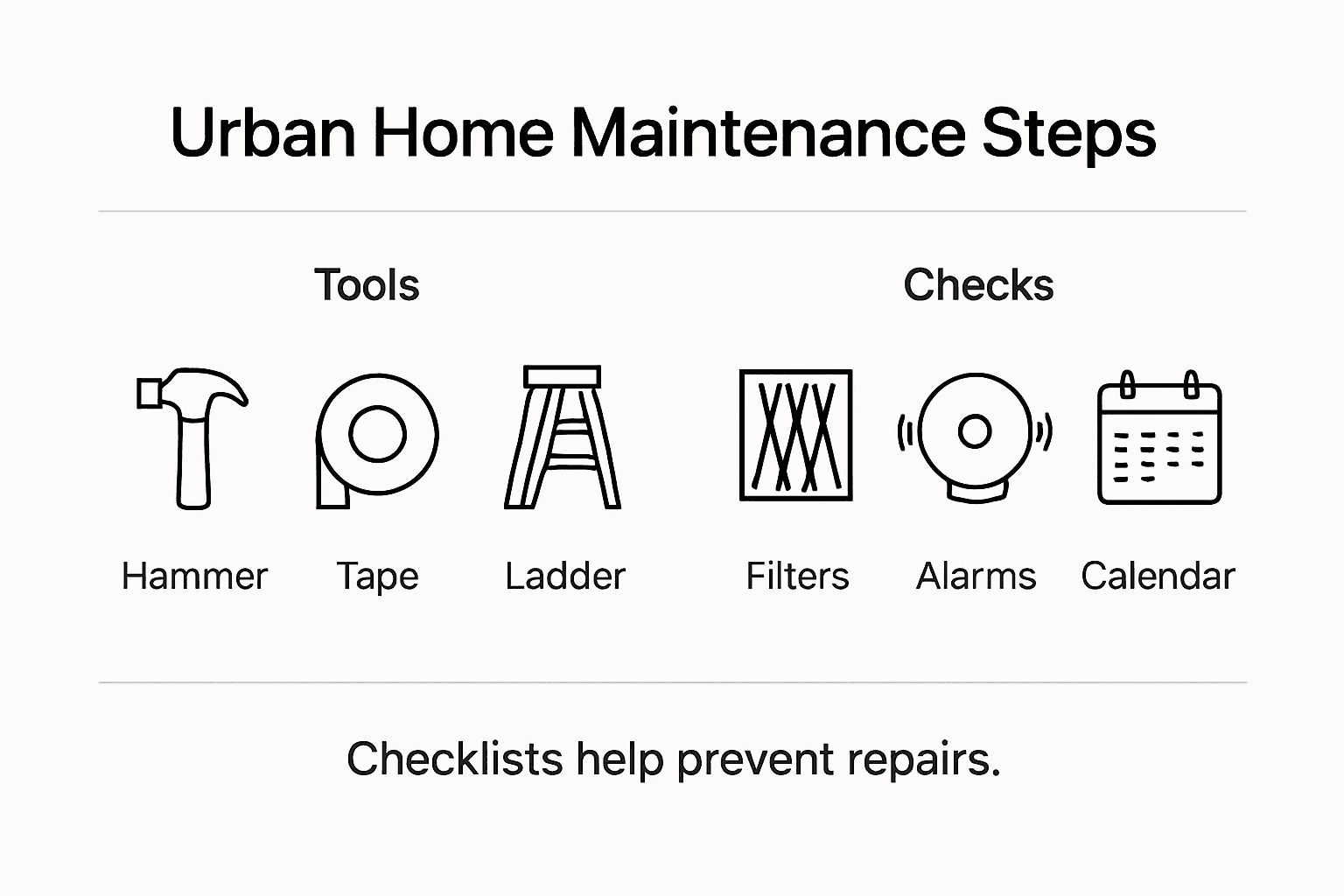
Divide your maintenance calendar into four distinct seasonal segments. In spring, focus on post winter assessments including roof inspections, gutter cleaning, and checking exterior surfaces for winter damage. Examine your home’s foundation for any shifts or cracks caused by freeze thaw cycles. Summer presents an ideal time for exterior painting, deck maintenance, and checking air conditioning systems for optimal performance. Autumn requires preparing your home for colder weather by sealing windows, checking insulation, and servicing heating systems. Winter maintenance should concentrate on preventing pipe freezing, managing indoor humidity levels, and ensuring proper ventilation.
Here’s a seasonal maintenance planning summary for quick reference:
| Season | Key Focus Areas | Common Tasks |
|---|---|---|
| Spring | Post-winter checks | Roof inspection, gutter cleaning, check foundation |
| Summer | Exterior upkeep | Painting, deck maintenance, AC system check |
| Autumn | Cold weather prep | Seal windows, service heating, check insulation |
| Winter | Freeze and humidity control | Prevent pipe freezing, monitor humidity, ventilate |
Establish a digital maintenance log to track all repairs, inspections, and professional service visits. Schedule annual professional evaluations for complex systems like electrical, plumbing, and HVAC to catch potential issues early. Consider creating a dedicated home maintenance savings fund to cover unexpected repairs and proactively address wear and tear. Coordinate with local professionals who can provide seasonal inspection services and offer expert recommendations tailored to your specific property.
Pro tip: Create a color coded digital calendar with automatic reminders for each seasonal maintenance task to ensure you never miss a critical home care checkpoint.
Keep Your Urban Home in Top Shape with the Right Tools and Supplies
Maintaining an urban home can feel overwhelming with all the inspections, cleaning, and preventive tasks outlined in the Ultimate Home Maintenance Checklist for Urban Homeowners. Common pain points include managing unexpected repairs, dealing with moisture issues, and staying ahead of seasonal upkeep. Having reliable gear and trusted supplies simplifies every step from foundation checks to safety device testing. Equip yourself with essential items from our Home Tools – Myzabka category to handle repairs confidently.

Don’t let home maintenance become a burden. Visit Myzabka today to find high-quality tools along with cleaning solutions from our Home Cleaning – Myzabka collection. Act now to organize your home care routine and protect your investment before minor issues turn into major expenses.
Frequently Asked Questions
What essential tools should I include in my home maintenance toolkit?
To build a comprehensive home maintenance toolkit, include a sturdy hammer, adjustable wrench, needle nose pliers, utility knife, tape measure, and a screwdriver set with multiple tip sizes. Ensure you also invest in a cordless drill and safety equipment like work gloves and protective eyewear.
How do I properly inspect my home’s foundation for damage?
Begin your inspection by looking for signs of cracks, water damage, or uneven settling in the foundation. If you notice significant issues such as large cracks or persistent water accumulation, consider consulting a professional for further assessment.
What are some preventive maintenance tasks I should perform regularly?
Regular tasks include changing HVAC air filters every three months, cleaning gutters twice a year, and checking for leaks under sinks. Set a schedule to perform these tasks, ensuring they’re completed at least every season to maintain your home’s health.
How often should I test safety devices like smoke detectors?
Test all smoke detectors and carbon monoxide alarms monthly by pressing the test button to confirm they work properly. Replace the batteries twice a year, ideally during daylight saving time changes, to ensure continuous safety.
What seasonal repairs should urban homeowners prioritize?
Urban homeowners should focus on tasks like inspecting the roof and cleaning gutters in the spring, checking air conditioning systems in the summer, preparing heating systems in the fall, and preventing pipes from freezing in the winter. Create a seasonal checklist to manage these tasks and address them promptly to avoid potential issues.
How can I maintain a digital log of my home maintenance activities?
Create a digital log using a simple spreadsheet or a home management app to track all inspections, repairs, and maintenance tasks. Update the log regularly so you can reference past issues and plan future maintenance proactively.