

Nearly 50 percent of American households report unexpected appliance breakdowns each year. Staying ahead of repairs saves money and reduces stress, yet many people overlook routine maintenance. Tackling a few practical steps can keep every American home running smoothly and help prevent those sudden, costly surprises. This guide shares smart habits and essential tools to make appliance care straightforward for any household.
Table of Contents
- Step 1: Gather Essential Tools And Supplies
- Step 2: Schedule Regular Cleaning And Inspections
- Step 3: Perform Key Maintenance Tasks Safely
- Step 4: Test Appliance Performance And Functionality
- Step 5: Log Maintenance Records And Plan Next Check
Quick Summary
| Key Insight | Explanation |
|---|---|
| 1. Assemble Essential Tools | Gather precision screwdrivers, wrenches, pliers, multimeters, and safety gear to effectively maintain appliances. |
| 2. Schedule Regular Maintenance | Create a cleaning and inspection calendar for appliances to prevent issues and extend their lifespan. |
| 3. Ensure Safety First | Always unplug appliances before maintenance, wear protective gear, and know when to seek professional help. |
| 4. Test Appliance Performance | Regularly monitor appliances for unusual sounds or temperatures to identify potential problems early. |
| 5. Log Maintenance Activities | Keep detailed records of maintenance tasks and schedules to track performance trends and conditions. |
Step 1: Gather Essential Tools and Supplies
Preparing for successful home appliance maintenance starts with assembling the right equipment. Think of this step like prepping a culinary workspace - having the correct tools makes everything smoother and more efficient. You will want to collect a strategic set of tools that will help you diagnose, clean, and repair various home appliances.
Your basic maintenance toolkit should include precision screwdrivers (both flathead and Phillips head), adjustable wrench, needle nose pliers, multimeter, flashlight, work gloves, safety glasses, and a reliable basic kitchen tool set that includes measuring tools. Pro tip: Invest in quality tools with magnetic tips and comfortable grips. These seemingly small details can make a significant difference in your ability to handle intricate repair work.
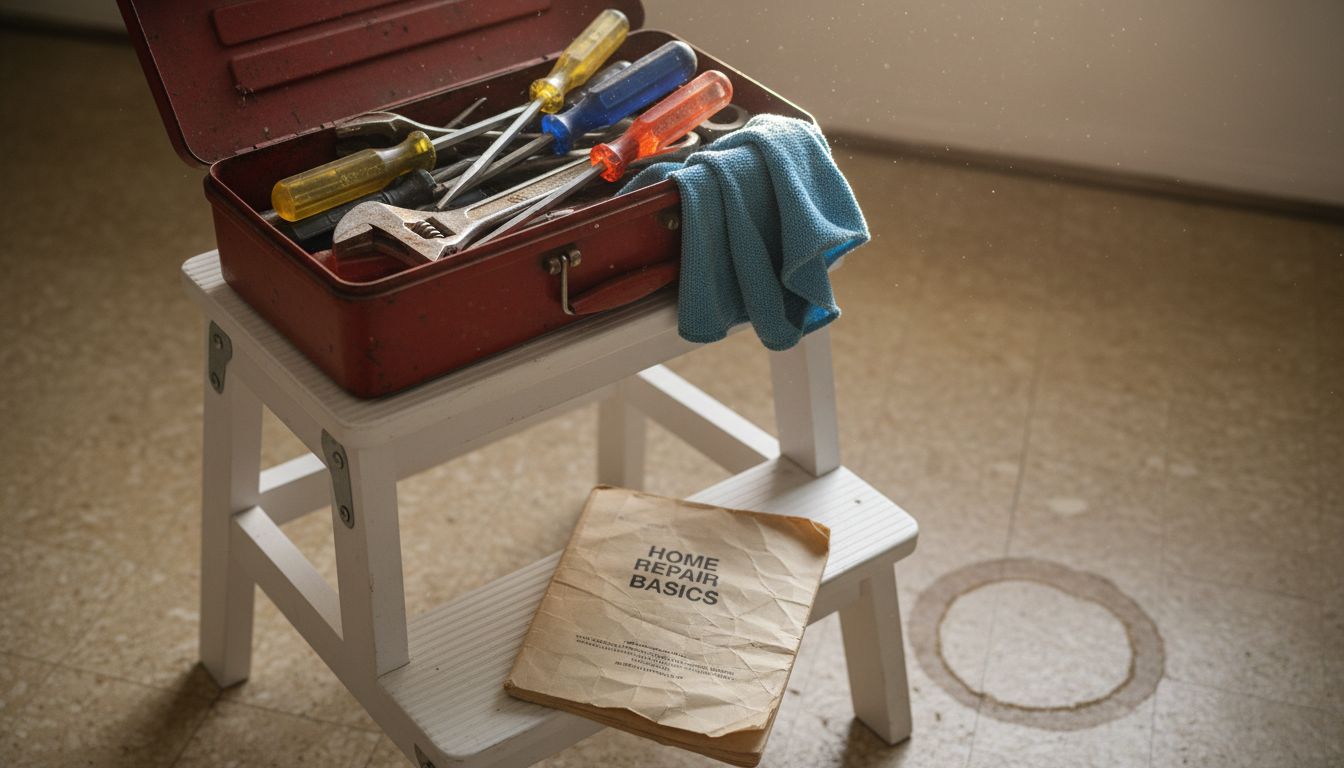
Before beginning any maintenance project, organize your tools in a portable toolbox or caddy. This approach ensures everything stays clean, accessible, and protected. Arrange tools by frequency of use and size, placing smaller precision tools in designated compartments and keeping larger tools like wrenches easily retrievable. A well organized toolkit not only saves time but also reduces frustration during repair processes.
Step 2: Schedule Regular Cleaning and Inspections
Maintaining your home appliances requires consistent attention and proactive care. Regular cleaning and inspections are your first line of defense against potential breakdowns and expensive repairs. This step is about creating a systematic approach to keeping your appliances running smoothly and efficiently.
Start by developing a comprehensive maintenance calendar that aligns with home maintenance recommendations from experts. For most appliances, this means performing thorough cleanings and detailed visual inspections every three to six months. Pay special attention to areas prone to dust accumulation, seals, filters, and moving parts. Use your manufacturer’s manual as a guide for specific cleaning techniques and recommended maintenance intervals.
A critical aspect of your inspection routine should include checking window and door seals on appliances like refrigerators and dishwashers to ensure optimal energy efficiency. Annual seal inspections can prevent air leaks and reduce unnecessary energy consumption. Invest in a bright flashlight and magnifying glass to help you spot small issues before they become major problems. By dedicating just a few hours every quarter to systematic cleaning and careful examination, you will significantly extend the lifespan of your home appliances and prevent unexpected breakdowns.
Step 3: Perform Key Maintenance Tasks Safely
Safety is paramount when performing home appliance maintenance. This step focuses on teaching you how to approach repairs and cleaning with caution, protecting both yourself and your valuable equipment. Understanding the right techniques can prevent accidents and costly mistakes.
Start by implementing essential home appliance safety habits that minimize risk. Always unplug appliances before cleaning or performing repairs. Carefully inspect electrical cords for signs of wear or fraying, and keep all electrical equipment away from water sources. Work in a well-lit area with stable footing, and wear protective gear like safety glasses and work gloves when necessary.
Know your limits when it comes to repairs. Troubleshooting guidelines suggest handling only basic maintenance tasks and calling a professional for complex repairs. If a repair seems beyond your skill level or requires specialized tools, it is best to consult a certified technician. This approach not only ensures your safety but also protects your appliance’s warranty and prevents potential damage from inexperienced repairs. Remember that a cautious approach is always better than risking personal injury or expensive equipment damage.
Step 4: Test Appliance Performance and Functionality
Testing your home appliances regularly is crucial for catching potential issues before they become costly problems. This step focuses on helping you develop a systematic approach to monitoring your appliances performance and identifying any subtle signs of wear or malfunction that might indicate deeper issues.
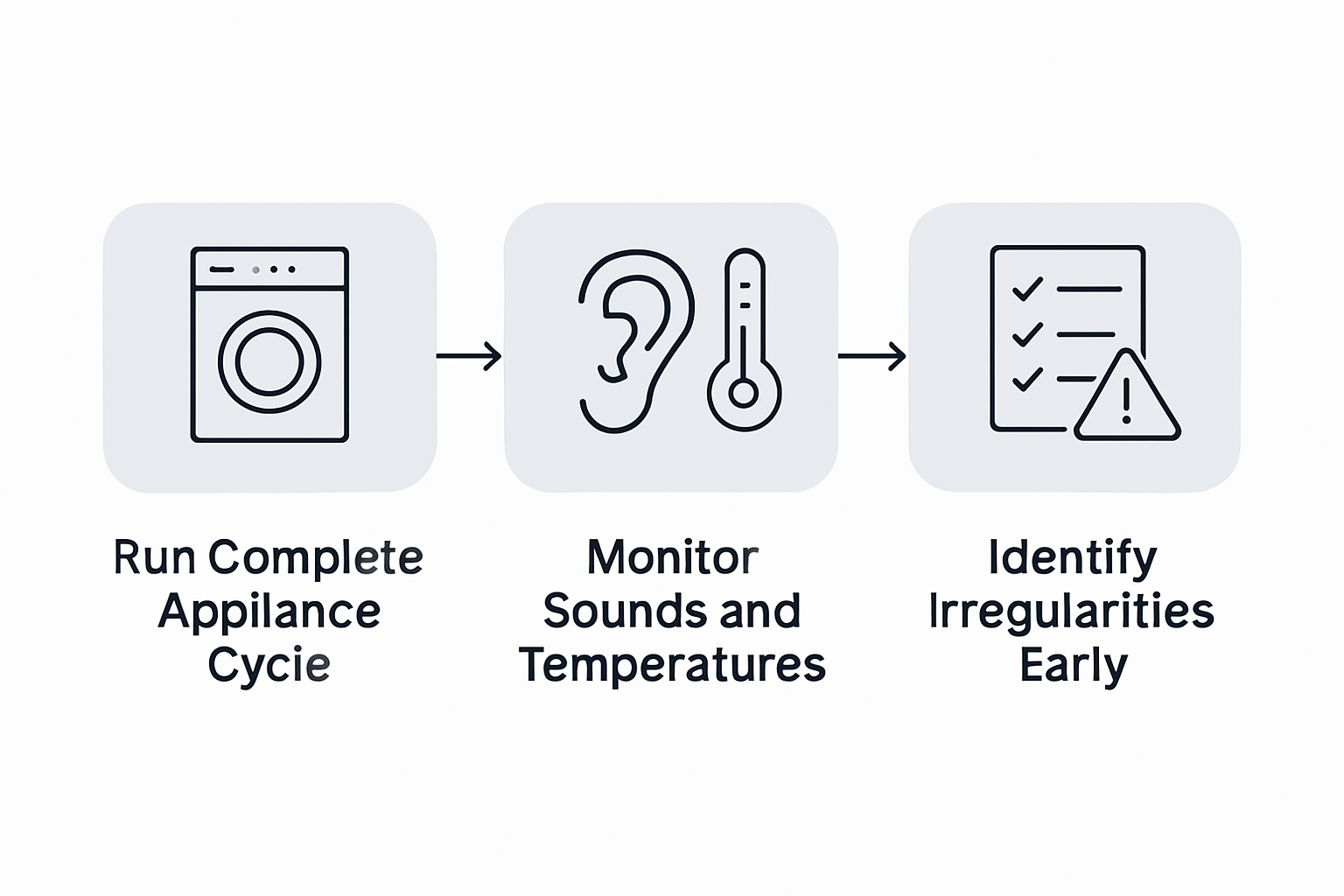
Smart home technology for appliance diagnostics has revolutionized how we track equipment performance. Start by running each appliance through a complete operational cycle, paying close attention to unusual sounds, temperature variations, or unexpected performance changes. Listen for grinding noises in washers, check refrigerator cooling consistency, and monitor oven heating uniformity. Compare current performance against the manufacturers original specifications and your appliances typical operational standards.
According to maintenance recommendations for long lasting appliances, comprehensive performance testing should become a quarterly ritual. Use a digital thermometer, multimeter, and your manufacturers manual as reference points. Document any variations or anomalies you observe, creating a performance log that can help you track gradual changes over time. If you notice significant deviations from normal operation, consider scheduling a professional diagnostic evaluation to prevent potential future breakdowns.
Step 5: Log Maintenance Records and Plan Next Check
Creating a systematic record of your home appliance maintenance is more than just paperwork its a strategic approach to prolonging equipment life and preventing unexpected breakdowns. This final step focuses on documenting your maintenance efforts and establishing a proactive schedule for future inspections and care.
Following recommended home maintenance documentation practices, develop a comprehensive maintenance log for each appliance. Include details such as date of service, specific tasks performed, parts replaced, observations during inspection, and any professional service records. Consider using a digital spreadsheet or dedicated maintenance tracking app to make record keeping easier and more accessible. This documentation becomes invaluable for tracking patterns, understanding your appliances performance history, and providing critical information if warranty claims or professional repairs become necessary.
Professional appliance maintenance guidelines recommend creating a forward looking maintenance calendar that schedules routine checks based on manufacturer recommendations and your specific usage patterns. Set digital reminders or mark your physical calendar with upcoming maintenance dates for each appliance. By treating maintenance as a planned activity rather than a reactive process, you will significantly extend your equipment lifespan and minimize the risk of unexpected failures.
Keep Your Appliances Running Smoothly with the Right Tools and Supplies
Maintaining home appliances for long-lasting use can feel challenging without the proper support. The key pain points like organizing essential tools, safely performing maintenance tasks, and scheduling regular cleanings can become much easier when you have quality supplies at your fingertips. Tackle these challenges with confidence by choosing from our wide selection of Home Tools – Myzabka and effective Home Cleaning – Myzabka products designed to simplify your routine and protect your appliances.

Don’t wait for breakdowns or costly repairs. Visit Myzabka now to find the perfect tools and cleaning essentials that fit your home appliance maintenance needs. Start building your maintenance kit today and enjoy the peace of mind that comes with well cared for home and kitchen equipment.
Frequently Asked Questions
How often should I clean and inspect my home appliances?
You should clean and inspect your home appliances every three to six months. Create a maintenance calendar to remind you to perform these checks regularly, ensuring optimal performance and extending the lifespan of each appliance.
What tools do I need for home appliance maintenance?
Assemble a basic toolkit that includes precision screwdrivers, an adjustable wrench, needle nose pliers, a multimeter, a flashlight, work gloves, and safety glasses. Having these tools ready will streamline your maintenance tasks and allow you to address various issues efficiently.
What safety precautions should I take while maintaining appliances?
Always unplug appliances before cleaning or performing repairs to avoid electrical hazards. Use safety gear like gloves and glasses, and inspect cords for damage to ensure safe working conditions during maintenance.
How can I test the performance of my appliances?
Run each appliance through a complete operational cycle while paying attention to sounds, temperature consistency, and overall performance. Document any unusual behavior or changes to track their performance over time, which can help identify potential issues early.
Why is it important to log maintenance records for my appliances?
Logging maintenance records helps you keep track of service dates, tasks performed, and any parts replaced. This documentation can assist you in identifying patterns and supporting warranty claims in case professional repairs become necessary.
What should I include in my maintenance log for appliances?
Include details like the date of service, specific tasks performed, observations during inspections, and any professional service records. This organized approach will provide a clear history of your appliance maintenance, making future checks easier and more effective.