

Over 60 percent of homeowners in major Asian cities report that poor living space design impacts their daily comfort and work efficiency more than they expected. The word “ergonomics” is often seen as an american office buzzword, but its principles directly affect everyday life from the kitchen to the bedroom. Understanding how ergonomic science applies to apartment living can unlock practical changes that make homes healthier, more adaptable, and truly supportive for families navigating urban routines.
Table of Contents
- Ergonomics Defined And Common Misconceptions
- Categories Of Ergonomic Home Design Features
- Key Principles For Comfortable Living Spaces
- Real-World Applications In Urban Asian Homes
- Major Health, Productivity, And Cost Benefits
- Common Ergonomic Mistakes Homeowners Should Avoid
Key Takeaways
| Point | Details |
|---|---|
| Holistic Nature of Ergonomics | Ergonomics encompasses cognitive, physical, and organizational factors, advancing beyond mere comfort in workspace design. |
| Design Categories | Key ergonomic design categories include Physical, Cognitive, and Organizational Ergonomics, each addressing specific aspects of human interaction with environments. |
| Health and Productivity Benefits | Implementing ergonomic principles can lead to increased productivity, reduced health risks, and overall improved quality of life. |
| Common Mistakes to Avoid | Homeowners should avoid improper furniture selection, inadequate lighting, and inflexible space configurations to minimize ergonomic hazards. |
Ergonomics Defined and Common Misconceptions
Ergonomics represents a sophisticated scientific discipline that extends far beyond traditional workplace comfort. At its core, ergonomics is the comprehensive study of human interaction with environments, tasks, and systems, aiming to optimize performance, safety, and well-being across multiple domains.
Contrary to popular belief, ergonomics is not merely about selecting comfortable office chairs or arranging desks. The International Ergonomics Association emphasizes that this field encompasses cognitive, physical, and organizational factors that influence human performance. This holistic approach means ergonomics applies to everything from home design and transportation to complex technological interfaces and healthcare systems.
Understanding ergonomics requires recognizing its multidisciplinary nature. The field integrates insights from biomechanics, physiology, psychology, and engineering to create human-centered solutions. Researchers analyze how individuals interact with their surroundings, designing interventions that reduce physical strain, minimize cognitive load, and enhance overall productivity. This approach goes beyond physical comfort to consider psychological and emotional aspects of human experience.
Key Misconceptions About Ergonomics:
- Limited to workplace design
- Only focuses on physical comfort
- Applies only to office environments
- Purely about furniture arrangement
Pro tip: Start evaluating your living and working spaces through an ergonomic lens by observing how your body feels during different activities and identifying potential areas of physical and mental strain.
Categories of Ergonomic Home Design Features
Ergonomic home design is a sophisticated approach that systematically categorizes design features into interconnected domains, addressing the complex ways humans interact with their living environments. These categories comprehensively consider physical comfort, cognitive ease, and organizational efficiency to create spaces that genuinely support human well-being.
Physical Ergonomics focuses on the tangible aspects of home design that directly interact with human body mechanics. This category includes furniture dimensioning, spatial arrangement, and creating safe movement zones that accommodate different body types and physical capabilities. Strategic design elements like adjustable surfaces, appropriate chair heights, and minimizing awkward reaching distances become critical in preventing physical strain and potential long-term musculoskeletal issues.
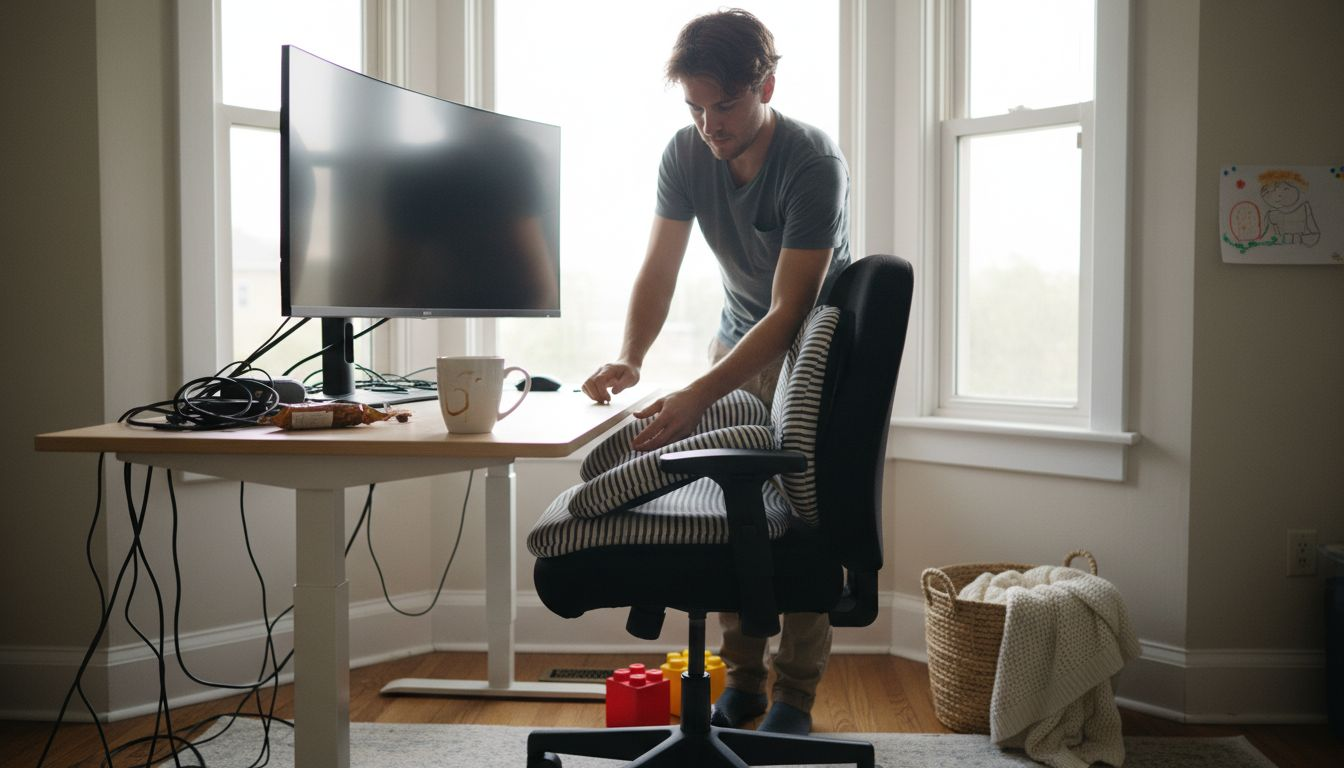
Cognitive Ergonomics addresses the psychological and perceptual dimensions of home design. This category encompasses environmental factors that influence mental processing and emotional comfort, such as lighting quality, color psychology, spatial navigation, and intuitive control systems. By considering how humans perceive and interact with their surroundings, designers can create spaces that reduce mental fatigue and enhance overall psychological well-being.
Organizational Ergonomics explores how home spaces can be optimized to support daily routines, family dynamics, and lifestyle flexibility. This approach involves creating adaptable multi-purpose areas, efficient storage solutions, and design configurations that facilitate smooth interactions between family members and support diverse activity requirements.
Key Ergonomic Design Categories:
- Physical Space Adaptation
- Cognitive Environment Design
- Routine and Activity Support
- Flexibility and Multi-functionality
Pro tip: Conduct a personal home assessment by observing how you naturally move and interact within your living spaces, identifying potential ergonomic improvements that could enhance comfort and functionality.
Here is a quick comparison of core ergonomic home design categories and their main focus:
| Category | Main Objective | Key Example in Home |
|---|---|---|
| Physical Ergonomics | Optimize body mechanics | Adjustable chairs |
| Cognitive Ergonomics | Support mental processing | Intuitive lighting control |
| Organizational Ergonomics | Enable lifestyle efficiency | Modular storage units |
Key Principles for Comfortable Living Spaces
Ergonomic design principles transform living spaces from mere physical structures into dynamic environments that actively support human well-being. The fundamental goal is creating spaces that intuitively adapt to human needs, promoting physical comfort, mental clarity, and emotional balance through strategic design choices that prioritize user experience.
Space optimization emerges as a critical principle in designing comfortable living environments. This involves carefully analyzing movement patterns, creating clear pathways, and selecting furniture that supports natural body mechanics. Anthropometric considerations become crucial, ensuring that furniture dimensions align with average human body measurements, reducing physical strain and promoting healthy postures throughout daily activities.
Psychological comfort equally matters in creating truly ergonomic living spaces. Beyond physical dimensions, designers must consider sensory elements like natural lighting, acoustic management, color psychology, and material selection. Soft textures, warm color palettes, strategic lighting, and connections to natural elements can significantly impact mood, stress levels, and overall mental well-being.
Core Principles of Comfortable Living Spaces:
- Intuitive Space Planning
- Ergonomic Furniture Selection
- Natural Light Optimization
- Acoustic Comfort
- Sensory Balance
- Flexible Design Configurations
Pro tip: Conduct a personal comfort audit by spending a day mindfully observing how you interact with different areas of your home, noting moments of physical discomfort or psychological tension.
Real-World Applications in Urban Asian Homes
Ergonomic design in urban Asian homes represents a sophisticated approach to addressing unique living challenges posed by compact metropolitan environments. The distinctive architectural landscape of Asian cities demands innovative solutions that maximize limited living spaces while maintaining comfort, functionality, and cultural sensitivities.
Multi-functional design emerges as a cornerstone strategy for urban Asian homes. Furniture and spatial configurations are engineered to serve multiple purposes, transforming small apartments into adaptable living environments. Compact dining tables that convert into workspace surfaces, murphy beds that fold into wall units, and modular storage systems exemplify how ergonomic principles can create flexible living spaces that accommodate diverse daily activities without compromising comfort or aesthetic appeal.
Technology integration plays a critical role in optimizing urban home ergonomics. Smart home systems specifically designed for Asian household dynamics can manage temperature, lighting, and spatial configurations with minimal human intervention. These technological solutions address unique regional challenges such as high humidity, limited ventilation, and the need for efficient space management. Intelligent climate control, automated lighting that adapts to natural circadian rhythms, and voice-activated storage systems represent cutting-edge ergonomic innovations tailored to urban Asian living contexts.
Key Ergonomic Strategies for Urban Asian Homes:
- Compact Multifunctional Furniture
- Adaptive Space Management
- Technology-Enhanced Comfort
- Cultural Design Sensitivity
- Efficient Storage Solutions
- Personalized Spatial Configurations
Pro tip: Photograph your living space from multiple angles and analyze the images objectively, identifying potential ergonomic improvements that could enhance your daily comfort and functionality.
Major Health, Productivity, and Cost Benefits
Ergonomic design represents a strategic investment in personal health and productivity, offering substantial returns that extend far beyond initial implementation costs. These carefully designed environments create measurable improvements in physical well-being, mental performance, and overall quality of life, transforming living spaces from mere functional areas into holistic health-supporting ecosystems.
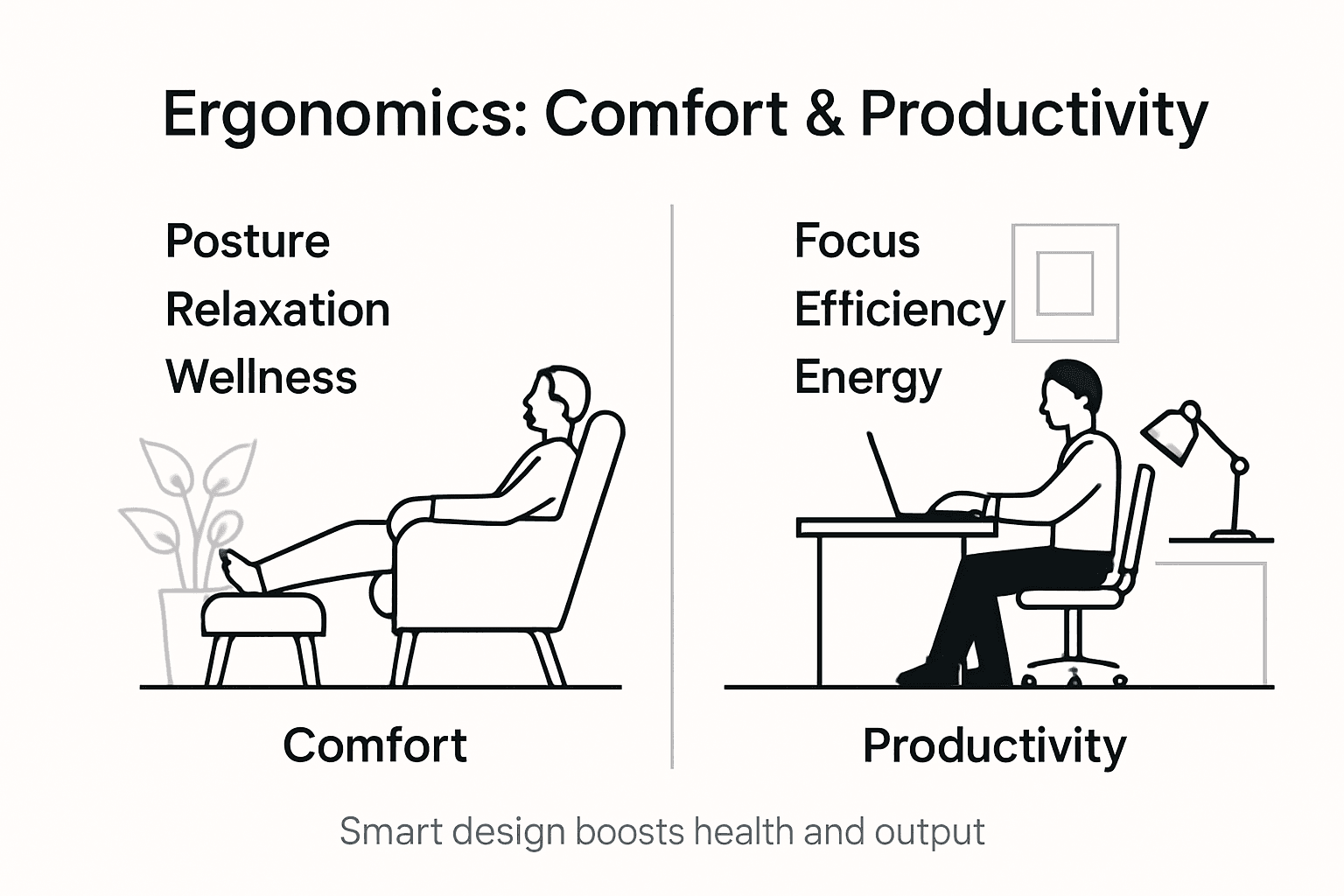
Health benefits emerge as a primary advantage of ergonomic home design. By minimizing physical strain, reducing repetitive stress risks, and supporting natural body mechanics, well-designed spaces can prevent long-term musculoskeletal disorders. Economic analyses demonstrate that ergonomic interventions can yield remarkable productivity gains, with potential increases up to 66% in performance and significant reductions in injury-related expenses. These interventions not only protect physical health but also contribute to enhanced mental resilience and reduced stress levels.
Productivity gains represent another critical dimension of ergonomic design. Thoughtfully configured living spaces can dramatically improve focus, reduce mental fatigue, and create environments that naturally support sustained cognitive performance. By integrating principles of comfort, accessibility, and intuitive design, individuals can optimize their home environments to support peak mental and physical functioning, leading to improved work performance, creativity, and overall life satisfaction.
Key Benefits of Ergonomic Design:
- Reduced Physical Strain
- Enhanced Mental Performance
- Lower Healthcare Expenses
- Increased Productivity
- Improved Quality of Life
- Preventative Health Support
Pro tip: Calculate your potential ergonomic investment return by tracking personal productivity metrics and healthcare expenses before and after implementing design changes.
Below is a summary of the positive outcomes associated with ergonomic home design:
| Benefit Area | Primary Result | Notable Impact |
|---|---|---|
| Health | Reduced strain and injury risk | Fewer musculoskeletal issues |
| Productivity | Improved focus and workflow | Higher work output at home |
| Financial | Lower medical and repair costs | Cost savings over time |
| Well-being | Enhanced daily comfort | Better overall life quality |
Common Ergonomic Mistakes Homeowners Should Avoid
Ergonomic hazards often emerge from seemingly innocuous design choices that compromise long-term physical health and productivity. Understanding these common mistakes becomes crucial for creating living spaces that support rather than undermine personal well-being, preventing potential chronic health issues before they develop.
Furniture and Posture Pitfalls represent a significant area of concern. Many homeowners unknowingly select non-adjustable seating without proper lumbar support, place screens at incorrect eye levels, and create workspaces that encourage prolonged sitting. These seemingly minor oversights can lead to cumulative physical strain, resulting in neck tension, back pain, and decreased overall mobility. The key lies in selecting furniture that adapts to individual body mechanics, provides dynamic support, and encourages natural movement throughout daily activities.
Environmental factors frequently contribute to ergonomic challenges. Inadequate lighting, poor temperature regulation, and lack of visual diversity can create subtle but persistent stress on the human body. Homeowners often overlook the importance of creating flexible environments that can be easily adjusted to support different activities, whether working, relaxing, or engaging in personal projects. These environmental considerations extend beyond physical comfort to impact mental clarity, emotional well-being, and overall cognitive performance.
Critical Ergonomic Mistake Categories:
- Improper Furniture Selection
- Incorrect Screen Positioning
- Neglecting Movement Breaks
- Poor Lighting Design
- Inflexible Space Configurations
- Ignoring Individual Body Mechanics
Pro tip: Conduct a weekly “ergonomic audit” of your living spaces, systematically evaluating each area for potential physical strain and comfort optimization opportunities.
Enhance Your Home Comfort with Ergonomic Solutions
Struggling with discomfort and clutter in your living spaces can take a toll on your health and productivity as highlighted in the article. Ergonomic home design focuses on reducing physical strain, improving mental clarity, and creating adaptable environments that support your daily activities. Key goals like intuitive space planning, flexible furniture, and optimized lighting are essential to transform your home into a sanctuary of well-being and efficiency.
Discover how our carefully curated Home and Kitchen products can help you achieve these ergonomic benefits. From adjustable furniture to smart storage solutions and lighting options designed for comfort and style, every item supports your quest for a healthier and more productive lifestyle. Don’t wait for discomfort to control your daily routine. Visit MyZabka today and start creating spaces that work with your body and mind. Take the first step to better living with products made to enhance your ergonomic home design now.
Frequently Asked Questions
What is ergonomics and how does it relate to home design?
Ergonomics is the study of human interaction with environments, tasks, and systems. In home design, it focuses on optimizing performance, safety, and well-being by considering physical comfort, cognitive ease, and organizational efficiency in living spaces.
How can I improve the ergonomics of my home office?
To enhance your home office ergonomics, invest in adjustable furniture, ensure your computer screen is at eye level, use supportive seating with lumbar support, and incorporate regular movement breaks to reduce strain and enhance productivity.
What are common ergonomic mistakes in home design?
Common ergonomic mistakes include selecting non-adjustable furniture, improper screen positioning, neglecting sufficient lighting, and creating inflexible space configurations that hinder movement and activities.
What benefits does ergonomic home design offer?
Ergonomic home design leads to reduced physical strain, improved mental performance, lower healthcare costs, and enhanced overall quality of life, making daily activities more comfortable and productive.